
HMRC Clinical Team
February 5, 2026
Socket Biomechanics
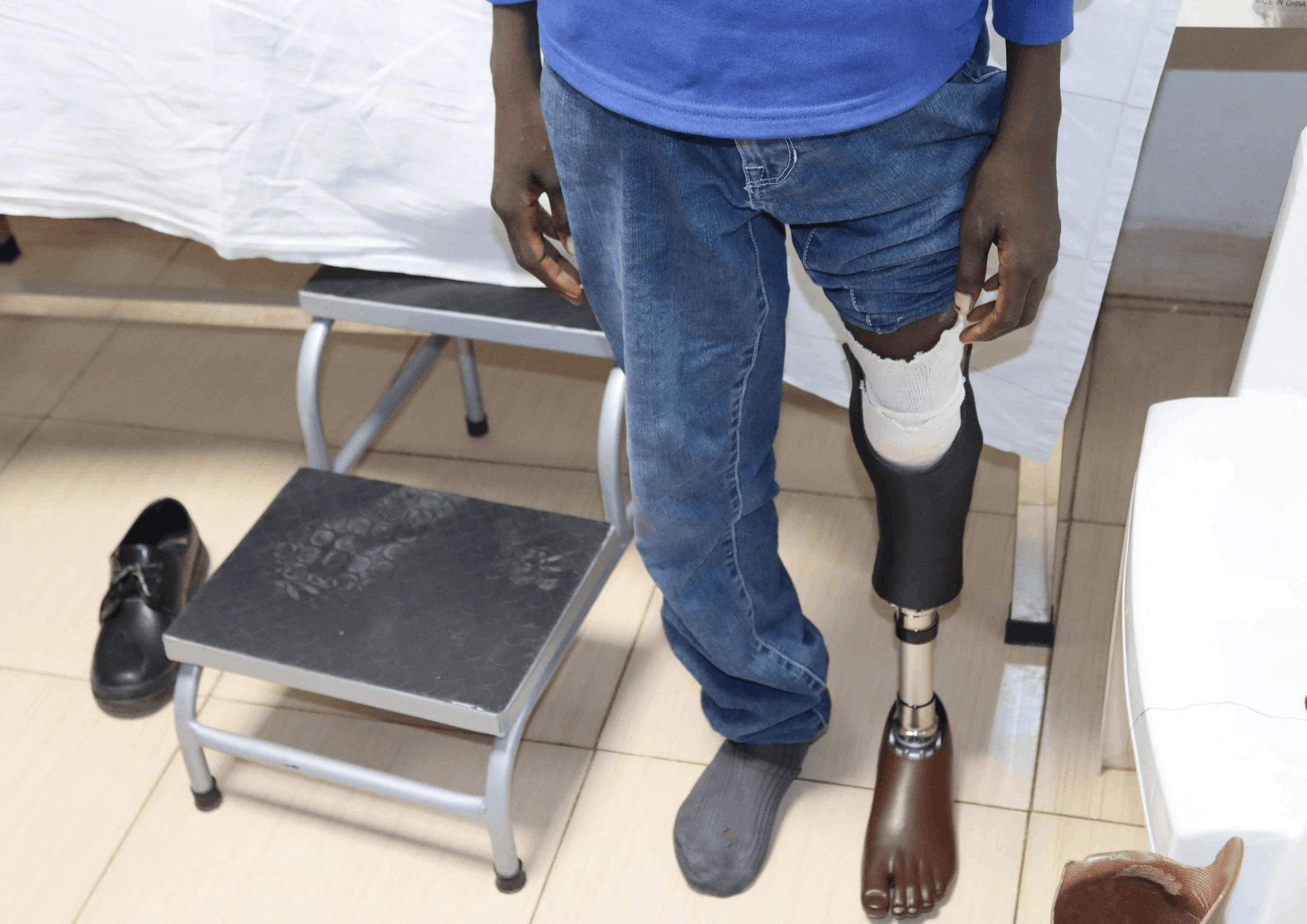
The socket is the most critical component of any prosthesis. If a socket pinches, slips, or exerts uneven pressure on bony landmarks, even the most expensive carbon foot or hydraulic knee will remain unused.
To prevent socket discomfort and tissue breakdown, HMRC utilizes a rigorous diagnostic test socket (check socket) protocol for every transtibial and transfemoral patient before producing the final definitive prosthesis.
How the Check Socket Stage Works:
- 1. Transparent Thermoformed Evaluation: A check socket is molded from clear medical-grade thermoplastic. This allows the prosthetist to visually inspect skin contact, blanched pressure areas, and distal clearance while the patient stands and walks.
- 2. Real-Time Thermal Adjustments: If a patient feels pressure over the fibular head or tibial crest, our technicians immediately heat and flare the thermoplastic in our on-site workshop, validating relief in seconds.
- 3. Dynamic Trial Period: Patients walk on the check socket for several days to weeks. This allows the residual limb to adapt and mature while we confirm total surface bearing and suspension security.
- 4. Transition to Definitive Carbon Fiber: Only when the check socket is 100% comfortable do we replicate the exact modified contours into lightweight, high-strength carbon fiber.
"We believe in getting the socket right first. A transparent check socket eliminates guesswork, ensuring your definitive artificial limb feels comfortable all day long."
#checksocket
#socketfit
#prosthetictechnology
#carbonfiber