Restoring Mobility, Confidence, and Independence: Custom artificial limb solutions designed for every level of amputation.
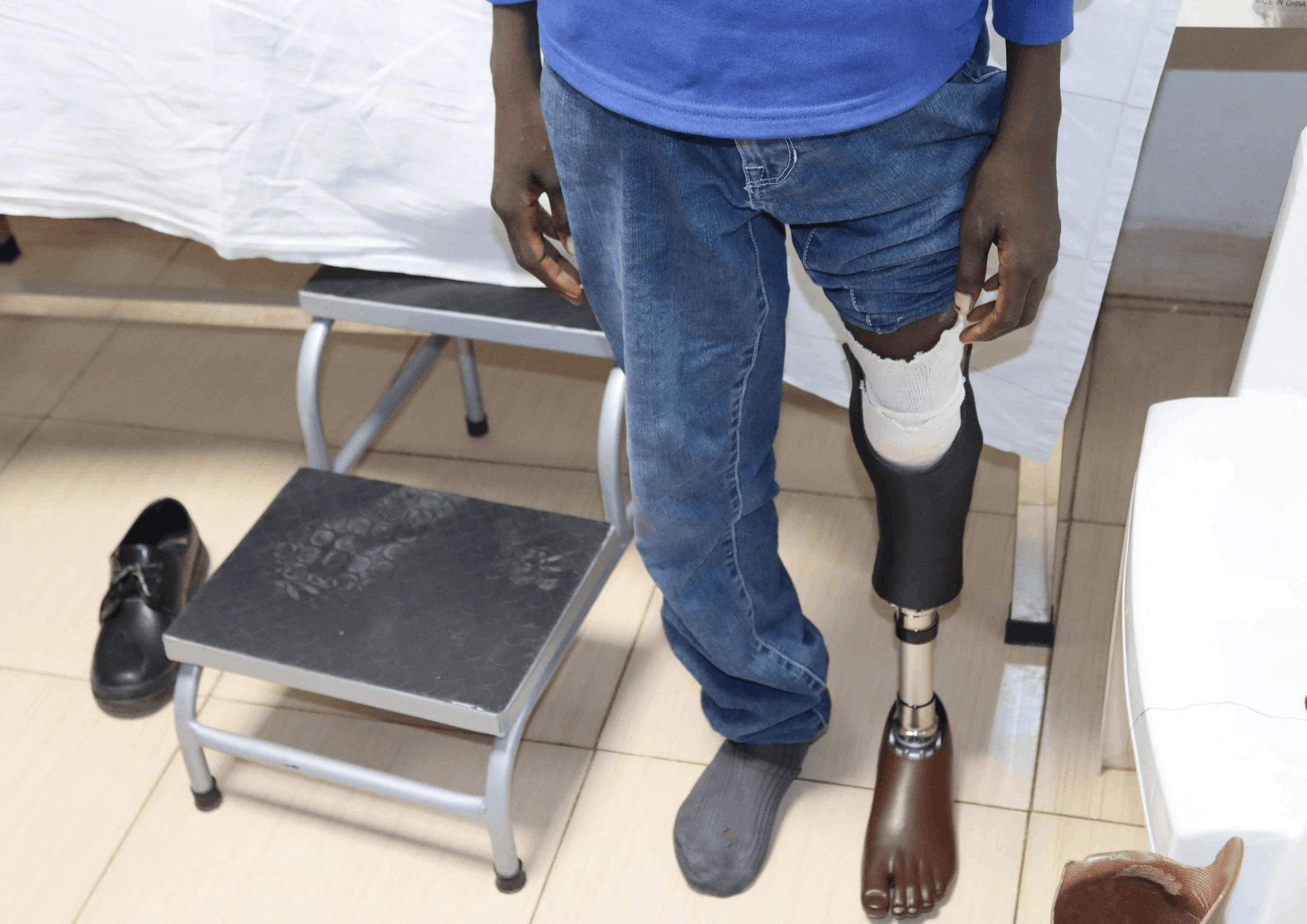
Losing a limb changes how you move through life, but it does not take away your ability to live fully. At Human Motion Rehabilitation Centre, we work closely with you to help you achieve your prosthetic goals, whether that means regaining mobility, improving function, or restoring independence.
With our clinical experience, we design custom prosthetic solutions that match your lifestyle, comfort needs, and long-term rehabilitation goals. We support amputees of all ages, including infants, children, adults, and older persons, with every level of amputation.
Custom carbon-fiber socket, suspension sleeve/pin-lock system, and dynamic energy-storing carbon foot engineered for natural gait and varied Nigerian terrain.
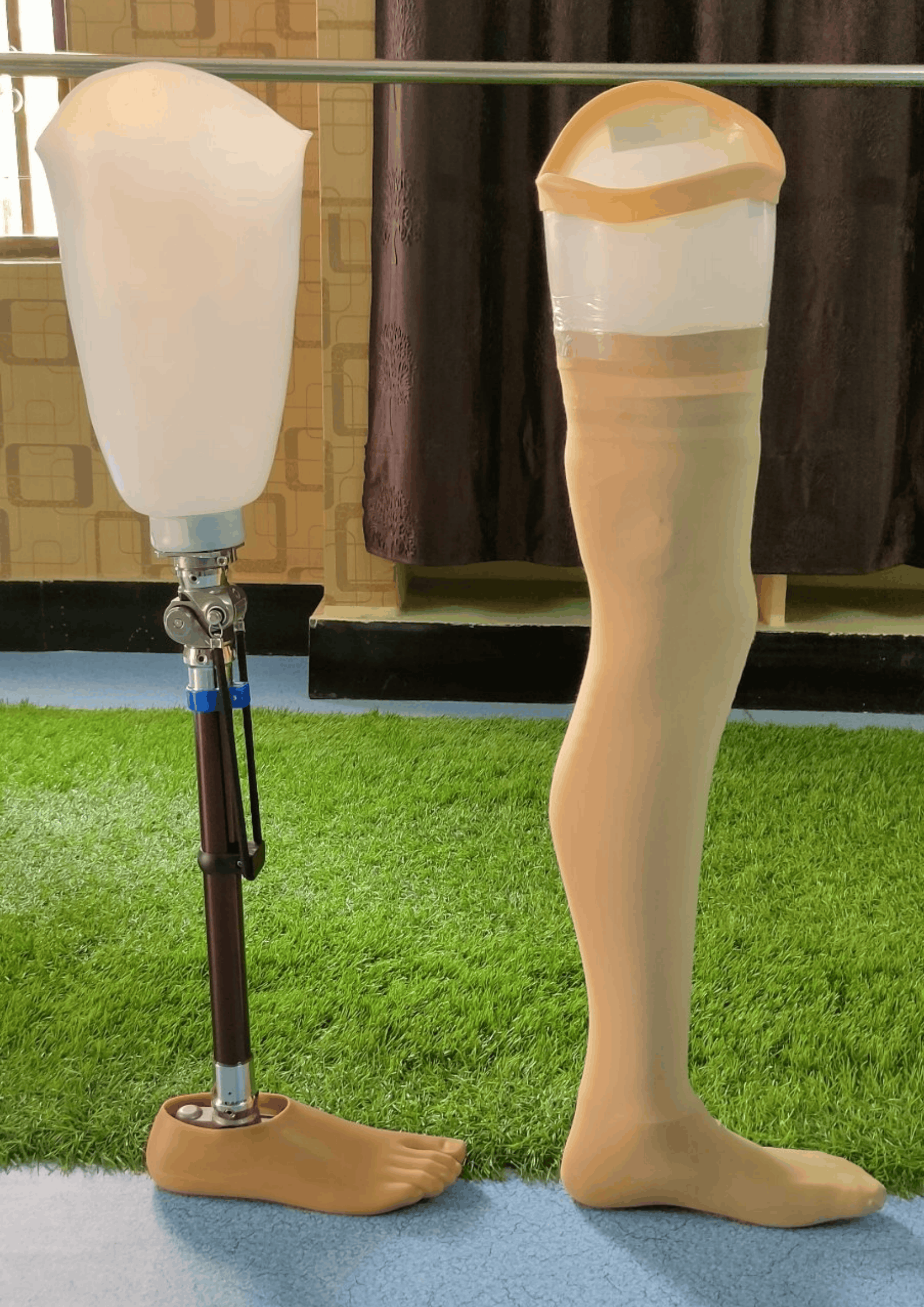
Anatomical ischial containment socket integrated with hydraulic or modular mechanical knee units, ensuring stumble recovery and smooth swing phase.
Below-elbow (transradial) and above-elbow (transhumeral) systems including myoelectric bionic hands with muscle signal sensors, body-powered hooks, and cosmetic restorations.
Specialized pelvic socket baskets, multi-axis hip joint units, and end-bearing knee disarticulation systems for maximum sitting comfort and stability.
Your rehabilitation journey is personal, and we treat it that way. Our care continues from the first day we meet you and can span a lifetime.
Our Prosthetists, alongside our Peer Support Specialist, are available to speak with new amputees or individuals preparing for surgery. This session can take place in our clinic or at the hospital after surgery, and it comes with no obligation. We discuss what to expect, possible treatment plans, your concerns, and emotional/practical preparation. Speaking with someone who has lived experience of amputation can be incredibly reassuring.
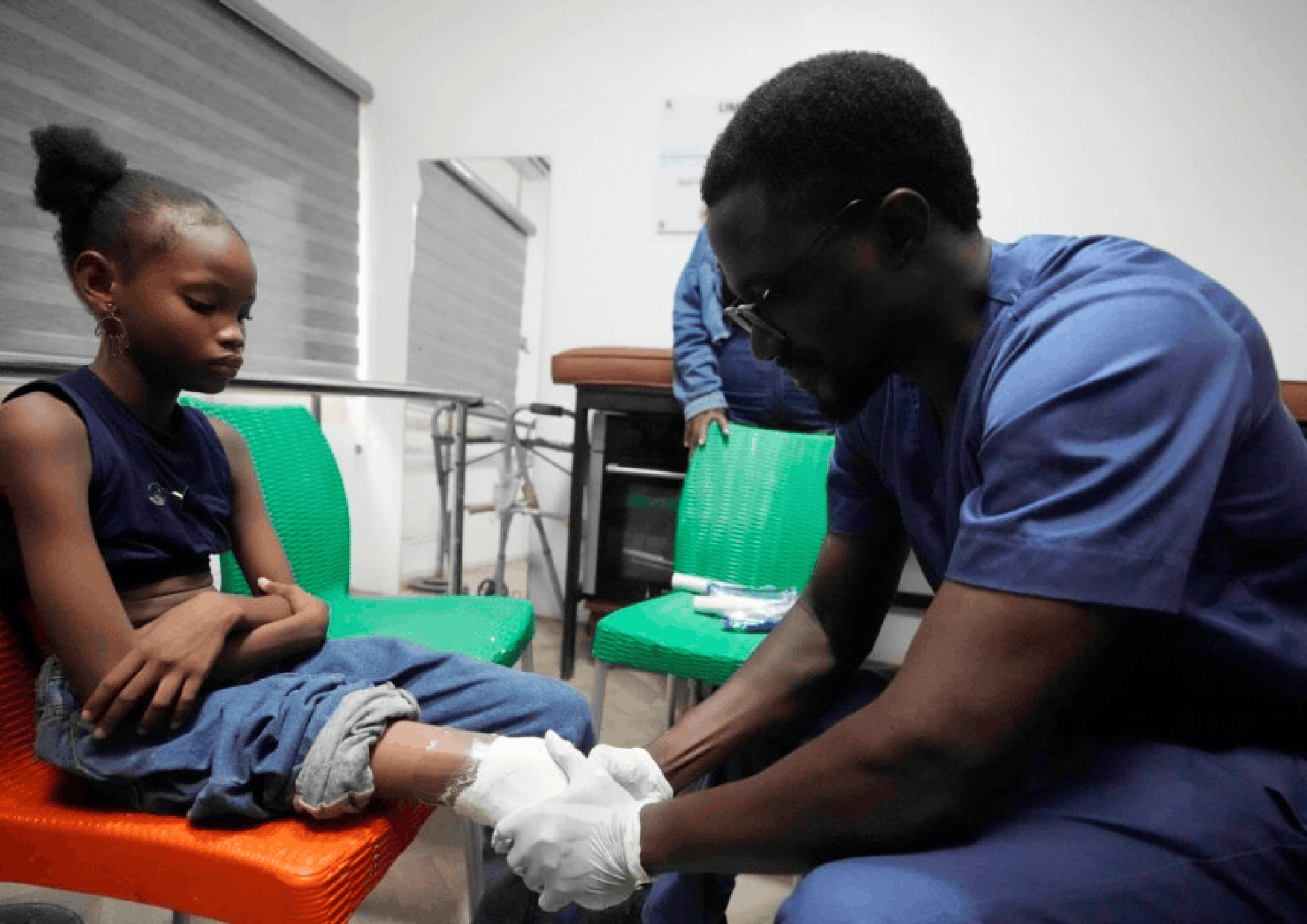
At HMRC or your rehabilitation facility, you meet with a Prosthetist who carries out a physical assessment. We discuss available prosthetic options and create a personalized treatment plan (a family member is welcome to join). If your residual limb is ready, we take a plaster cast or digital scan. If not, we provide a compression garment (shrinker) and record baseline outcome measures.
Once your cast is modified and the diagnostic socket is fabricated, we begin your first fitting. We assess socket comfort, make real-time adjustments, align lower-limb prostheses for safe standing and walking, and refine upper-limb functional control.
For experienced amputees, the trial period may last a few weeks. For new amputees, it continues throughout rehabilitation and physiotherapy. As your limb heals and strengthens, it changes shape; we make ongoing socket adjustments so your device evolves with your body.
When your limb stabilises and both comfort and function are optimised, we fabricate your definitive prosthesis. Features include a durable socket made from carbon fibre and fibreglass, cosmetic finishing based on your preference, and high-quality European modular components assembled in our on-site workshop.
Your first follow-up appointment is usually scheduled two weeks after receiving your definitive prosthesis. We recommend regular follow-ups every six months to check skin condition, assess component wear, provide supplies, and prevent complications.
Human Motion Rehabilitation Centre | Restoring Optimized Ability